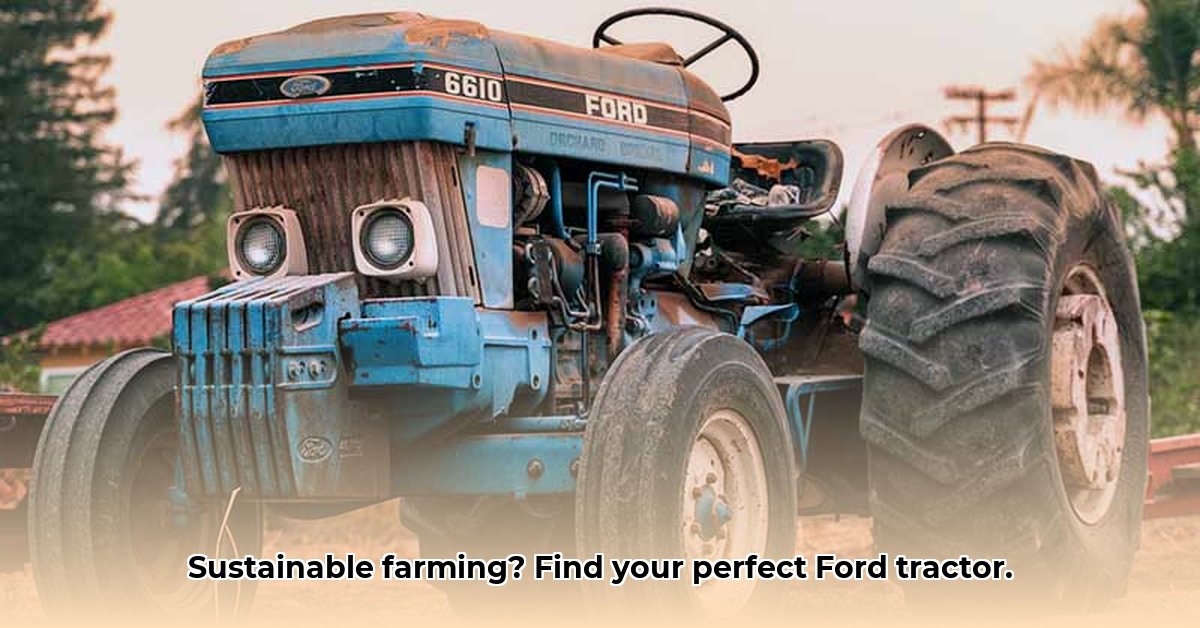
Finding a reliable and affordable used Ford compact tractor can be a game-changer for your sustainable farming operation. These durable machines offer a cost-effective entry point, but making the right choice requires careful planning and a thorough understanding of their maintenance needs. This guide will walk you through the process of finding, maintaining, and potentially upgrading a used Ford compact tractor to ensure years of reliable service. For similar options, check out other compact tractor packages here.
Assessing Your Needs and Budget: Laying the Foundation for Success
Before you begin your search, carefully assess your farm's specific needs. What tasks will the tractor perform? Hay baling? Tilling? Mowing? Accurately defining your workload will determine the necessary horsepower and features. A smaller tractor might suffice for smaller acreages, while larger operations may require more powerful models capable of handling heavier tasks. Don’t forget to consider your terrain – hilly land will demand a tractor with superior traction.
Next, establish a realistic budget. Used tractors are substantially cheaper than new models, but factor in anticipated maintenance, repairs, and unforeseen costs. A contingency fund is crucial to avoid financial setbacks. Remember, a well-maintained older tractor can often be a better long-term investment than a cheap but unreliable machine.
Finding Your Perfect Match: Locating Used Ford Compact Tractors
The hunt for a used Ford compact tractor can be rewarding. Start with online marketplaces like TractorHouse and MachineryPete. These platforms provide extensive listings and detailed specifications. However, don't neglect local avenues. Farm auctions often offer exceptional deals, and local farm equipment dealers can provide valuable insights and support. Networking with other farmers can also unearth hidden gems. Remember, patience is key – finding the right tractor takes time.
Pre-Purchase Inspection: A Critical Step to Avoid Future Problems
A thorough pre-purchase inspection is paramount. Don't rush this; a careful examination can save you substantial money in the long run. Here's a checklist:
- Engine: Listen for unusual noises (knocking, rattling). Check for leaks (oil, coolant, fuel). A clean engine often suggests diligent maintenance.
- Transmission: Shift through all gears. Smooth transitions indicate good condition, while stiffness or difficulty shifting could point to problems.
- Hydraulic System: Check for leaks. Ensure all hydraulic functions operate smoothly (lift, three-point hitch). This is integral to many tractor operations.
- PTO (Power Take-Off): Engage the PTO; listen for any abnormal noises. Smooth, quiet operation is essential.
- Tires: Inspect tires for wear. Cracks, excessive wear, or uneven wear patterns signal potential issues. Proper tire condition is crucial for safety and longevity.
- Body: Examine for rust, dents, or damage. Focus on the frame; significant structural damage can be costly to repair.
If you lack mechanical expertise, engage a qualified mechanic for a professional inspection; this expense is a worthwhile investment to prevent costly surprises.
Maintenance & Repair: Keeping Your Tractor Running Smoothly
Regular maintenance is crucial for extending your tractor's lifespan. Preventative care is far more cost-effective than emergency repairs. Prioritize these:
- Regular Oil Changes: Use the manufacturer's recommended oil and follow the specified change intervals.
- Filter Replacements: Regularly replace air, fuel, and oil filters. Clean filters improve efficiency and machine health.
- Fluid Checks: Regularly check all fluid levels (oil, coolant, transmission, hydraulic fluid) and top them off as needed.
- Lubrication: Regularly lubricate all moving parts to reduce wear and friction. This minimizes the chances of mechanical failure, especially important in older tractors.
Finding parts for older tractors may present a challenge, but farm equipment dealers often stock parts or can provide effective sourcing advice. Building a relationship with a local mechanic experienced with Ford tractors is invaluable.
Fuel Efficiency and Environmental Impact: Sustainable Practices
Older Ford compact tractors may not be as fuel-efficient as modern models; however, proper maintenance can mitigate fuel consumption. While not as environmentally friendly as their newer counterparts, buying used significantly reduces your carbon footprint compared to purchasing new equipment – a critical element of sustainable agriculture. Ask yourself: What is the environmental cost of buying new versus maintaining an older model?
Modernization and Upgrades: Strategic Enhancements
Upgrading a used Ford tractor can enhance performance and prolong its life, but a cost-benefit analysis is essential. Consider:
- Fuel-Efficient Engine Conversion: Depending on your budget and mechanical skills, a more fuel-efficient replacement may be a worthy investment. However, this is a complex process requiring significant expertise.
- Improved Implements: Upgrading to modern implements can improve efficiency and productivity. Check compatibility with your tractor model before purchasing.
- Safety Upgrades: Invest in safety improvements like better lighting or a Rollover Protective Structure (ROPS). Always prioritize safety.
Case Studies: Real-World Success Stories
Many farmers successfully utilize used Ford compact tractors. These machines offer reliable power at a fraction of the cost of new equipment. With proper maintenance, a used Ford tractor can provide years of dependable service, supporting sustainable farming practices.
Conclusion: Making an Informed Decision
This guide provides a comprehensive framework for selecting and maintaining a used Ford compact tractor. Thorough research, meticulous pre-purchase inspection, and a commitment to regular maintenance are crucial for maximizing your investment. A well-maintained used tractor can be a highly sustainable and cost-effective solution for your farming operation, aligning with the principles of responsible and efficient agriculture. Remember to weigh potential repair costs and environmental impact when making your decision.